Working Out After a Tattoo: When Is It Safe to Exercise Again?
Learn how sweat, friction, tattoo placement, and Las Vegas heat can affect your return to exercise after getting tattooed.
Working out after a tattoo is one of the most common questions our artists hear. The short answer? Don't rush back into your normal routine. When you can exercise again depends on your tattoo's size and placement, how much movement or friction your workout creates, and how your skin is healing. Light activity may be easier to return to than heavy lifting, long runs, swimming, hot yoga, or other high-sweat workouts.
Every tattoo heals differently, so there isn't a one-size-fits-all answer. At Black Rhino Tattoos, we encourage clients to consider both their tattoo and their normal routine before jumping back into intense exercise. If you're unsure, ask your artist before leaving the studio so you have aftercare guidance that's tailored to your tattoo.
Whether you're training for your next race, heading back to the gym, or simply staying active, it helps to understand how exercise affects a healing tattoo. That way, you can return to your routine more comfortably while following your artist's tattoo aftercare recommendations.
How Exercise Can Affect a Healing Tattoo
Exercise isn't usually the problem. Sweat, friction, stretching, and repeated movement are the things to pay closest attention to while your tattoo is healing.
During the early stages of recovery, your skin is repairing itself. Workouts that rub, stretch, or soak your tattoo in sweat can make the area feel more irritated. A few lighter workout days are much easier to manage than dealing with prolonged irritation around a fresh tattoo.
Some of the most common things to consider include:
• Excessive sweating
• Friction from clothing or gym equipment
• Repeated stretching of the tattooed area
• Contact with shared gym equipment
• Heat and direct sun exposure during outdoor workouts
These factors don't automatically mean you'll have a problem, but they can make a fresh tattoo less comfortable while it recovers.
Sweat
Sweat is your body's natural cooling system, but excessive perspiration can leave a fresh tattoo feeling more sensitive, especially when it's combined with tight clothing or repeated movement.
This is a common concern for active clients, particularly during the warmer months in Las Vegas. If you're easing back into exercise, consider lowering the intensity for a few workouts and gently cleaning the tattoo afterward using the aftercare instructions provided by your artist.
Friction
Repeated rubbing is often more of a concern than exercise itself.
Depending on where your tattoo is located, compression sleeves, weight belts, sports bras, tight leggings, and even backpack straps can create unnecessary friction. Choosing loose, breathable clothing for a short time can make workouts much more comfortable while your skin continues to recover.
Stretching
Some workouts naturally create more movement than others.
Exercises such as pull-ups, heavy bench presses, squats, yoga, and high-intensity interval training can repeatedly stretch certain areas of the body. If your tattoo is located where those movements occur, easing back into your routine is often more comfortable than immediately returning to maximum effort.
Your tattoo doesn't know leg day is sacred. Give it a minute.
Shared Gym Equipment
Shared gym equipment also deserves some attention while your tattoo heals.
Benches, mats, machines, and other high-touch surfaces may come into contact with the tattooed area during your workout. If an exercise causes noticeable rubbing or irritation, consider modifying the movement or waiting a little longer before returning to it.
Our artists would rather answer your aftercare question than have you guess and accidentally irritate your tattoo later.
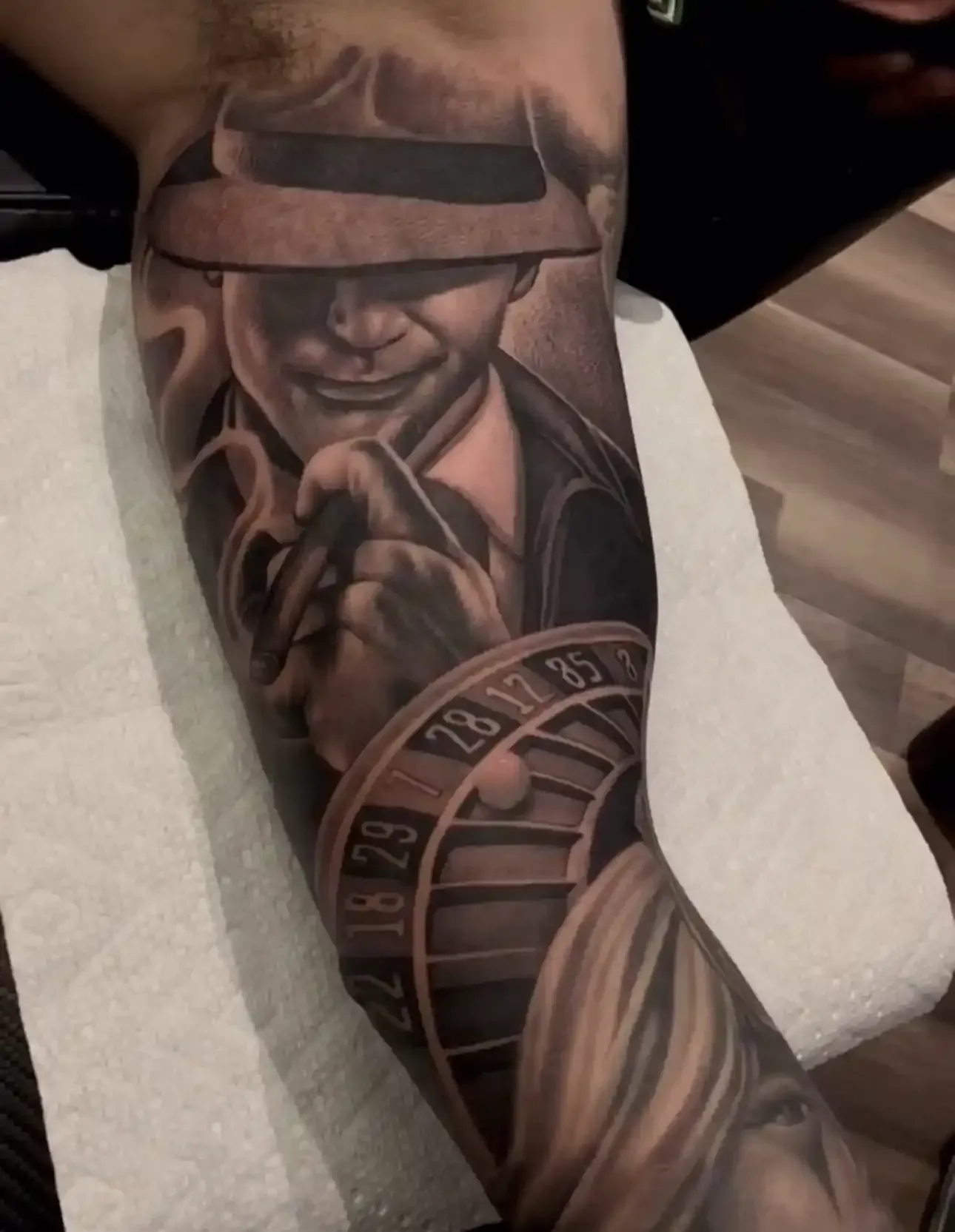
How Tattoo Placement Affects Your Workout
Not every tattooed area moves the same amount during exercise. Your tattoo's location can make a noticeable difference in how certain workouts feel while your skin is healing.
During your appointment, ask your artist how your tattoo's placement may affect your normal routine. A few temporary adjustments are often easier than dealing with unnecessary irritation after you've returned to the gym.
Tattoos on the Arms
Your arms are involved in more movements than you may realize. Weightlifting, pull-ups, push-ups, rowing, climbing, and many gym machines repeatedly flex the muscles and skin in your shoulders, biceps, and forearms.
If your tattoo is in one of these areas, easing back into upper-body workouts may be more comfortable than immediately returning to your normal training schedule.
Tattoos on the Legs
Running, cycling, squats, lunges, stair workouts, and many sports keep your thighs, calves, and knees in constant motion.
If your tattoo is on your leg, repeated motion combined with tight athletic clothing may create additional rubbing while the area is still healing. Paying attention to how the tattoo feels during activity can help you decide when it's time to increase your workout intensity.
Tattoos on the Torso
The skin across your chest, ribs, stomach, and back moves throughout the day—even when you're simply walking, bending, or reaching.
Core workouts, twisting exercises, overhead lifts, and compression shirts may increase friction around these areas. If your workout causes the tattoo to feel increasingly uncomfortable, it may be worth modifying the exercise until your artist feels the tattoo is further along in the healing process.
Tattoos Near Joints
Tattoos near the elbows, knees, wrists, ankles, and shoulders naturally experience frequent bending and stretching.
Because these areas are constantly moving, they often require a little more patience before returning to repetitive, high-movement exercises.
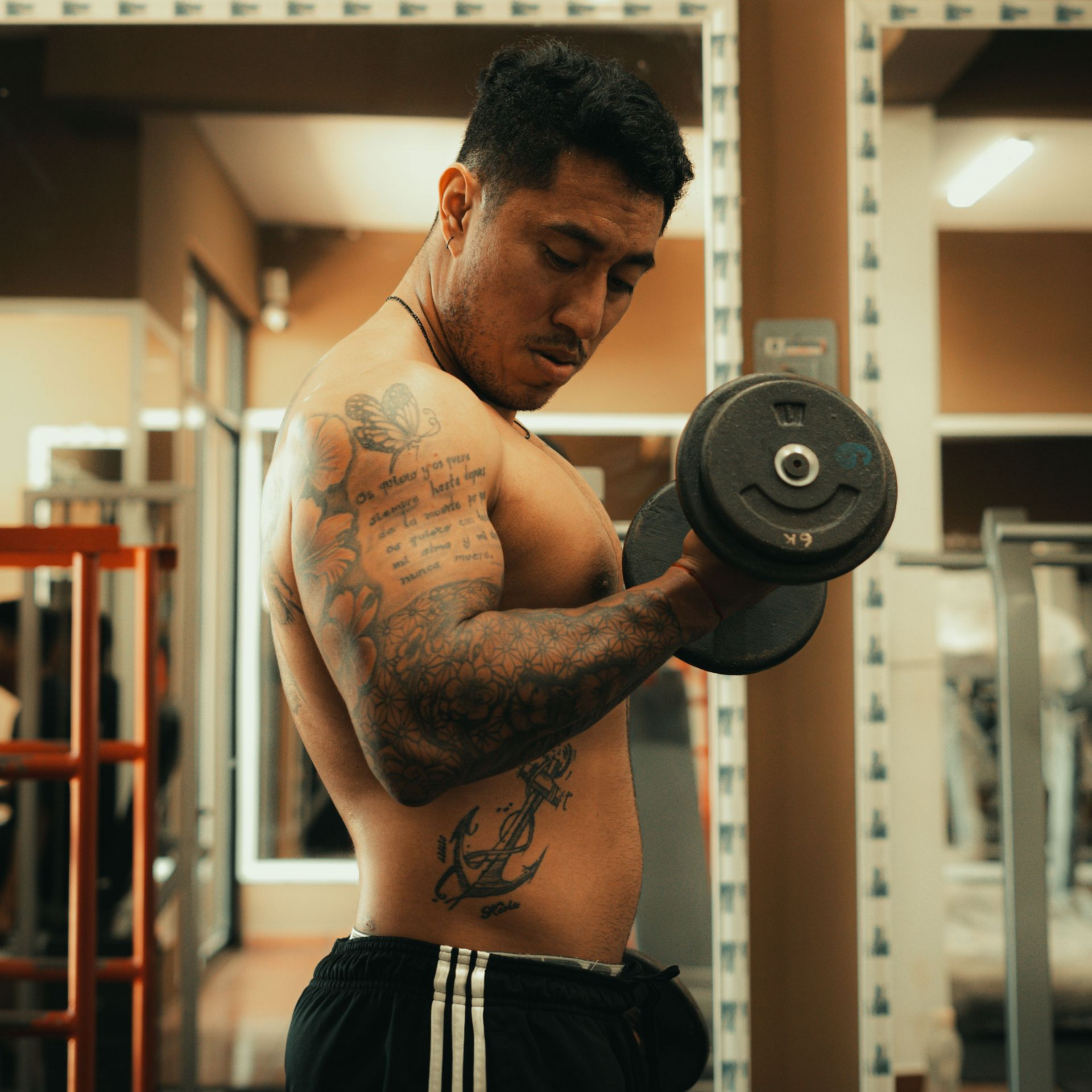
How to Return to Exercise Without Irritating Your Tattoo
At Black Rhino Tattoos, we look at the tattoo itself—not just the number of days since your appointment. Placement, workout intensity, clothing, and how your skin is healing can all affect how you return to exercise.
Returning to your normal workout routine is usually less about reaching a specific date and more about paying attention to how your tattoo is healing.
Start Gradually
Instead of jumping straight back into your most demanding workouts, begin with lighter activities and gradually increase the intensity.
This lets you see how your tattoo responds before you return to heavy lifting, long-distance running, or other high-intensity training.
Wear Comfortable Clothing
Loose, breathable clothing can reduce unnecessary rubbing while your tattoo heals.
Depending on your tattoo's location, avoiding tight compression gear for a while may make your workouts noticeably more comfortable.
Keep the Area Clean
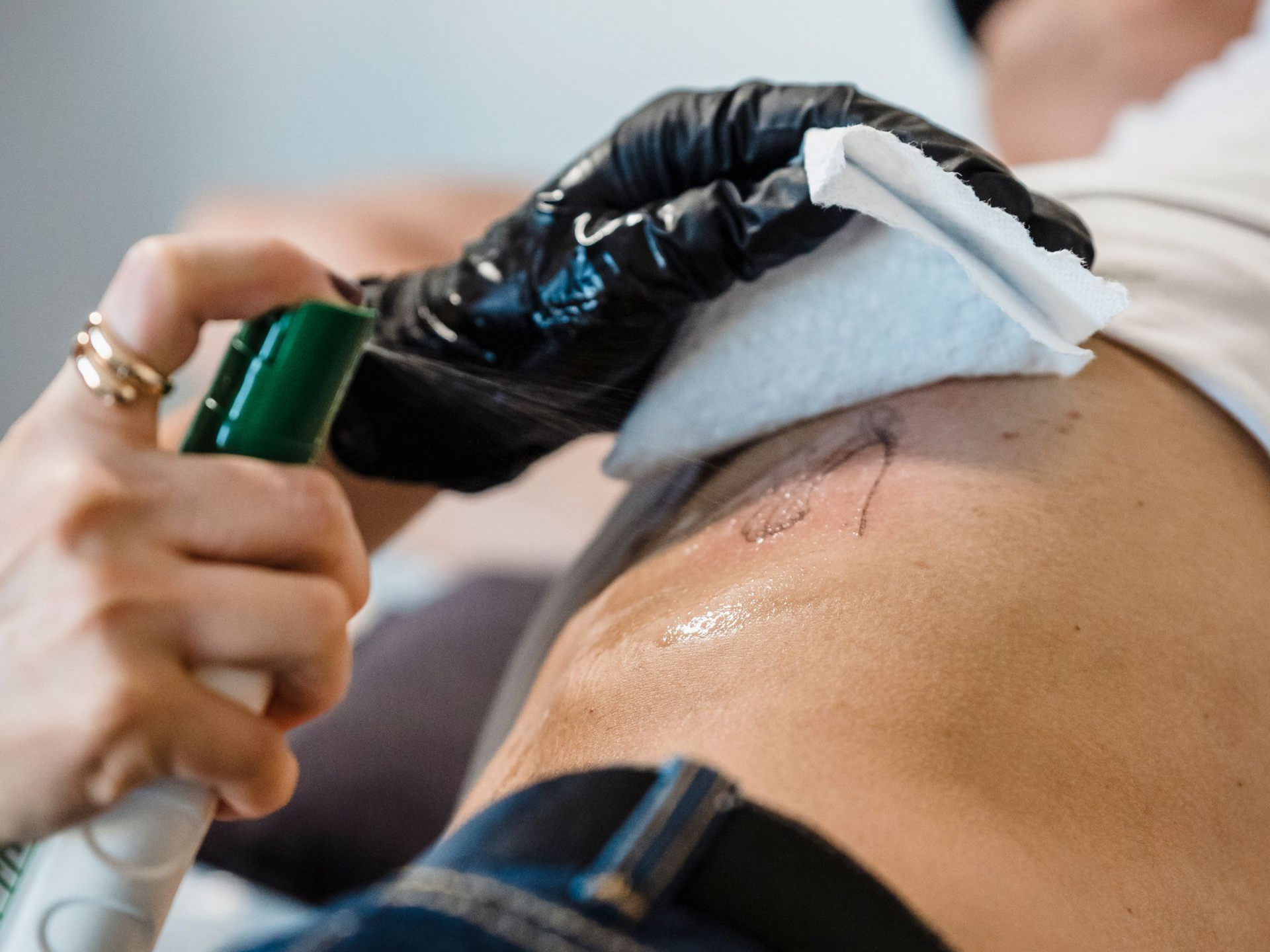
If your workout leaves you sweating, gently clean the tattoo afterward and continue following the aftercare instructions provided by your artist.
If you're unsure whether something looks normal during healing, contact your artist before changing your aftercare routine. We'd much rather answer your question than have you guess.
Stop if Your Tattoo Becomes Irritated
Some discomfort is expected after getting tattooed, but increasing irritation during exercise is usually a sign to slow down.
If your workout repeatedly causes rubbing, soreness, or discomfort around the tattoo, consider modifying the activity or waiting a little longer before returning to that exercise.
Some of the most common mistakes our artists see include:
• Returning to intense workouts before the tattoo has comfortably settled.
• Wearing tight clothing that repeatedly rubs against the tattoo.
• Skipping or changing the aftercare instructions provided by your artist.
• Spending extended time in direct sunlight while the tattoo is still healing.
• Touching the tattoo with unwashed hands.
• Continuing an exercise even when the tattoo becomes increasingly irritated.
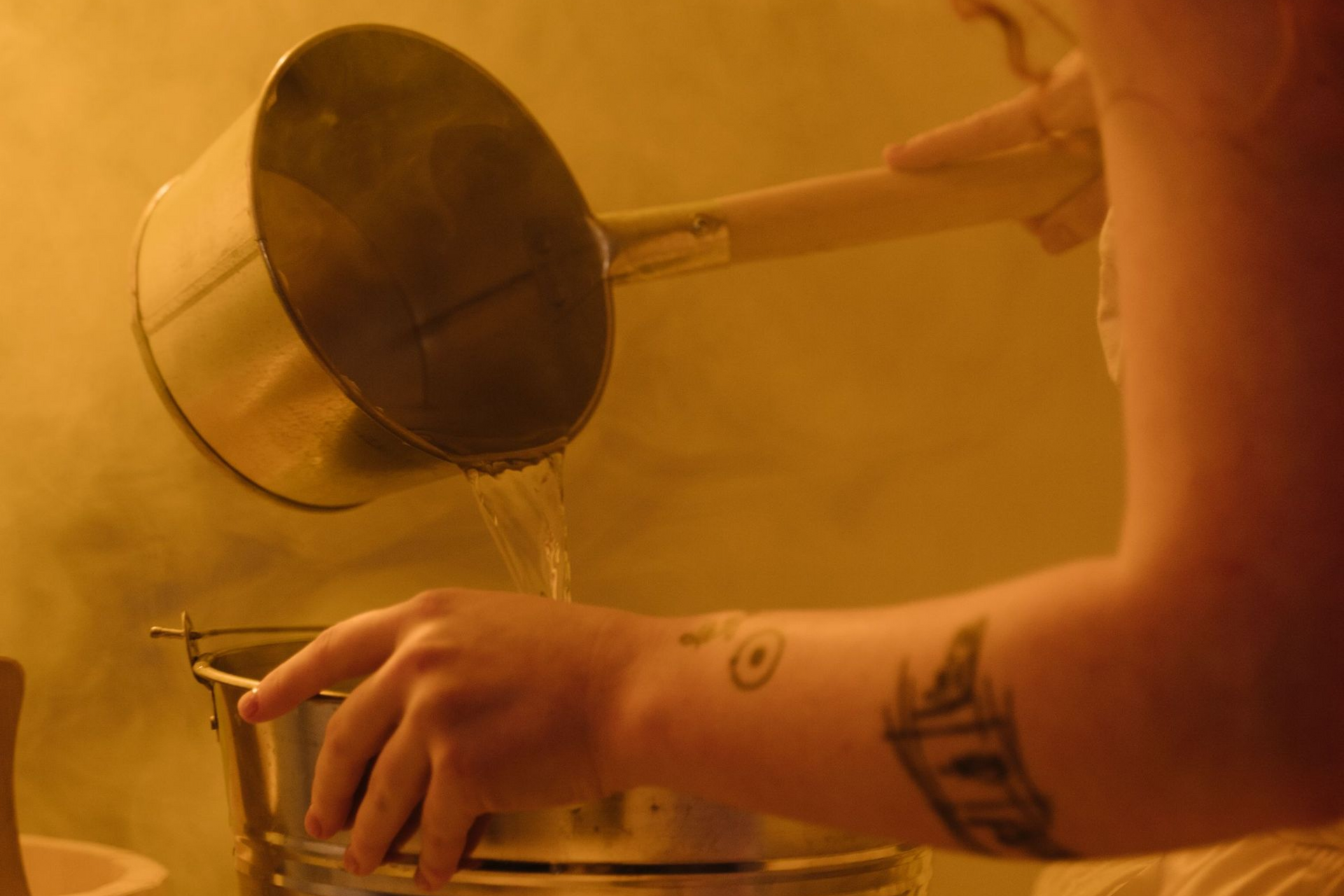
Outdoor Workouts, Swimming, and Saunas in Las Vegas
Las Vegas weather adds another factor to consider while your tattoo is healing. High temperatures, strong UV exposure, and outdoor activities can all affect how comfortable a fresh tattoo feels during recovery.
If your routine includes running, hiking, cycling, outdoor fitness classes, or recreational sports, think about both the weather and your tattoo before heading outside.
Heat and Sun
Fresh tattoos and prolonged sun exposure don't mix well.
Hot weather can make your skin feel more sensitive, and direct sunlight may increase discomfort while the tattoo is still healing. If you're exercising outdoors, a few simple adjustments can make your workout more comfortable.
Consider:
• Exercising during the cooler morning or evening hours.
• Staying hydrated before, during, and after your workout.
• Wearing loose clothing that helps cover the tattoo without creating unnecessary friction.
• Limiting prolonged direct sun exposure while the tattoo is healing.
Once your tattoo has fully healed, protecting it from UV exposure can also help preserve the detail and vibrancy of your tattoo over time.
Pools, Open Water, Hot Tubs, and Saunas
Before returning to swimming, soaking, or heat therapy, check with your tattoo artist.
Pools, lakes, rivers, oceans, hot tubs, steam rooms, and saunas expose healing skin to prolonged moisture or heat, which may increase irritation before your tattoo has fully recovered.
If these activities are part of your normal routine, ask your Black Rhino Tattoos artist when it's appropriate to return based on your tattoo's placement, size, and healing progress rather than following a general timeline.
Frequently Asked Questions
Can I exercise the day after getting a tattoo?
That depends on your tattoo and the type of workout you plan to do. Workouts involving heavy sweating, repeated movement, or friction may be more likely to irritate a fresh tattoo than lighter activities. If you're unsure, ask your tattoo artist before returning to your regular routine.
Does sweating ruin a tattoo?
Not necessarily. Sweat itself isn't usually the problem. Excessive perspiration combined with repeated rubbing from clothing or equipment may make a healing tattoo feel more irritated.
Does tattoo placement affect exercise?
Yes. Tattoos on areas that bend, stretch, or experience frequent movement—such as the arms, legs, torso, elbows, knees, wrists, and ankles—may require additional consideration while they're healing.
When can I return to my normal workout routine?
Every tattoo heals differently. Your Black Rhino Tattoos artist can recommend an approach based on your tattoo's placement, size, your normal workout routine, and how your skin is healing.
Ready to Plan Your Next Tattoo?
Planning a tattoo around your workout routine?
Tell your artist what your normal training looks like during your consultation so you can plan the tattoo, its placement, and your recovery around your lifestyle.
Schedule Your Tattoo Consultation
Meet our Las Vegas tattoo artists